
Key Features
Zinc ingots are characterized by their relatively low melting point (419°C) and high resistance to corrosion. The pure form of zinc is soft and brittle but can be alloyed with other metals like copper (to form brass) or aluminum (for various zinc-aluminum alloys) to enhance its properties. Zinc ingots also have a bright bluish-white appearance and are typically cast in standardized weights for ease of handling and transportation. The high purity of zinc in its ingot form ensures that it retains its desirable characteristics, such as its ability to form durable protective coatings and its high strength-to-weight ratio.
Uses and Applications
The primary application of zinc ingots is in the production of galvanized steel, which involves coating steel with a thin layer of zinc to prevent rust and corrosion. This process is widely used in the automotive industry, construction, and the production of infrastructure such as bridges, pipelines, and roofing materials. Zinc alloys, produced from zinc ingots, are used in die casting and in the manufacturing of automotive components, hardware, and machinery parts. Additionally, zinc is used in the production of batteries, such as zinc-carbon and alkaline batteries, and as an essential element in the production of fertilizers, paints, and rubber.
Benefits
The key benefits of zinc ingots include their corrosion resistance, which makes them perfect for protecting steel and other metals in harsh environments. Zinc also provides excellent durability and has a relatively low cost compared to other protective coatings like chromium or nickel. Moreover, zinc is a highly recyclable material, contributing to environmental sustainability. Its versatility allows it to be used across various industries, from metalworking to agriculture, making it a critical component in industrial development.
Conclusion
In conclusion, zinc ingots play a crucial role in modern industry due to their strength, corrosion resistance, and adaptability. From galvanization to alloy production, these ingots provide a reliable and cost-effective solution for manufacturing a wide range of products. As industries continue to focus on sustainability and durability, the demand for zinc ingots will remain essential in a variety of sectors, ensuring that this versatile material remains integral to industrial growth worldwide.?


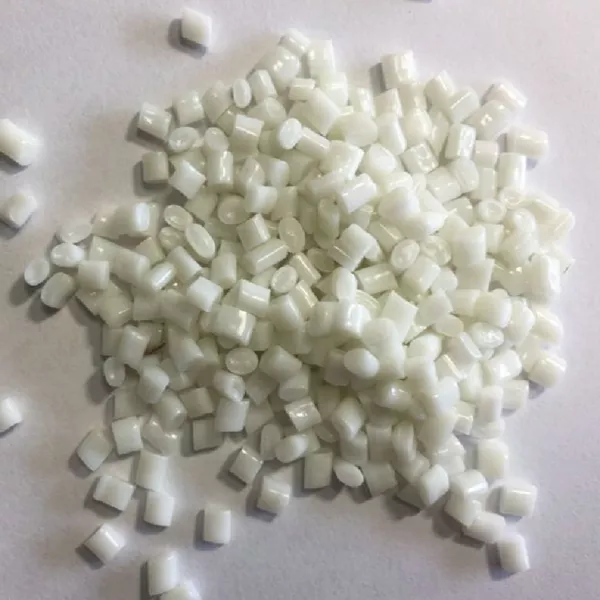


Zinc ingots are solid, metal blocks that are produced by smelting zinc ore and casting it into convenient shapes for further processing. These ingots serve as the primary raw material for various industries, ranging from construction to automotive manufacturing. Zinc’s ability to resist corrosion, combined with its strength and versatility, makes it an essential material in numerous applications. Zinc ingots are vital for producing alloys, coatings, and other products that support a variety of industrial processes.


